Indonesia will strengthen regulations on the distribution of vapes. The drug regulatory agency planning to take over nationwide monitoring. Badan Narkotika Nasional(BNN) recently proposed a complete ban on vapes, stating that a total ban is the only way to prevent liquid drugs.
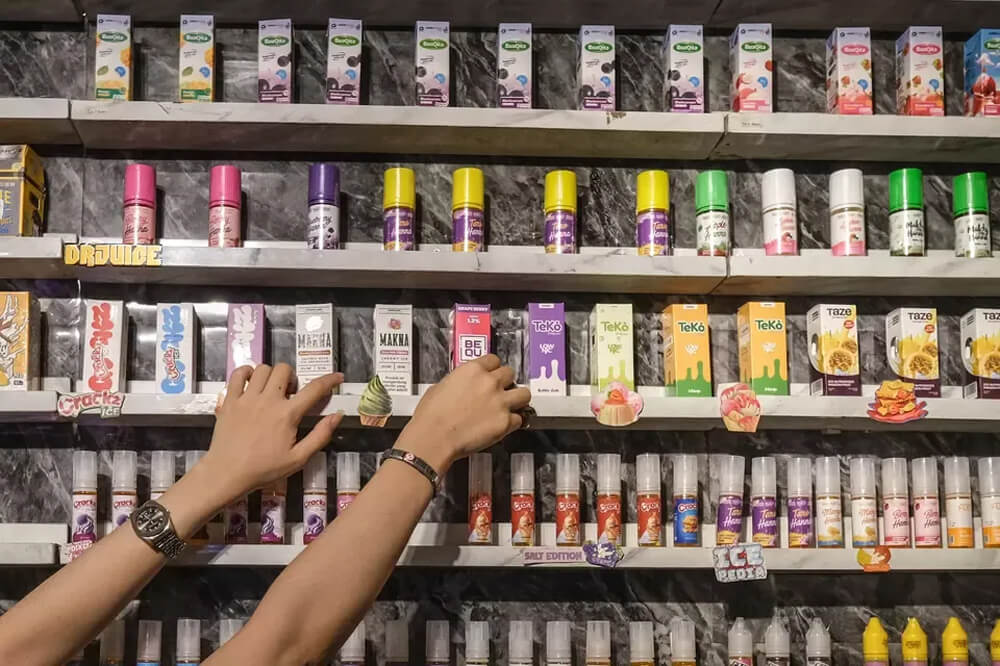
Key Takeaways of Indonesia Will Strengthen Regulations On The Distribution Of Vapes
- Indonesia will strengthen regulations on vapes to address concerns about vapes containing drugs.
- The Indonesian Drug Regulatory Agency will be responsible for monitoring the distribution of vapes nationwide and will collaborate with BNN.
- The Indonesian Narcotics Control Agency recently proposed a complete ban on vapes to prevent the problem of liquid drugs.
- Drug Regulatory Agency head Taruna Ikrar stated that the decision on which products to ban should be based on scientific assessment.
- A 2021 survey by the Indonesian Ministry of Health and the World Health Organization (WHO) showed that 11.9% of Indonesian adult respondents had used vapes.
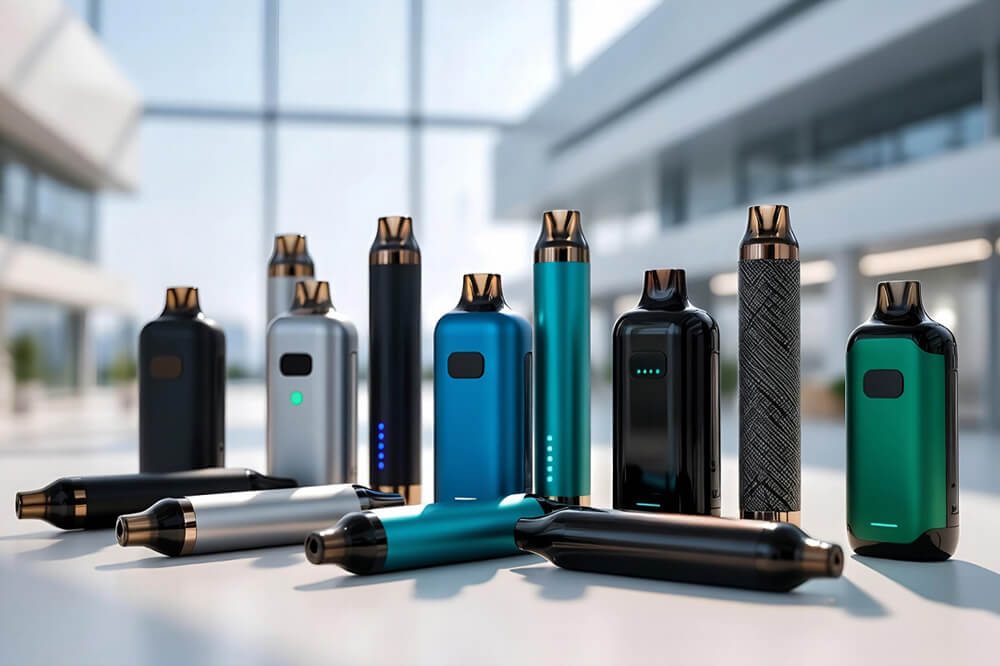
Food and Drug Administration will take over the monitoring of the nationwide distribution of vapes
Indonesia’s National Food and Drug Administration (BPOM) will soon take over nationwide monitoring of vape distribution.
The agency stated it will cooperate with the Indonesian National Narcotics Control Agency (BNN).
Previously, BNN exposed the presence of e-liquids containing drugs.
Reports indicate that Indonesia has a long history of combating drugs and introduced a comprehensive health-related law in 2023, followed by implementing regulations the following year.
The Drug Regulatory Agency stated that existing regulations can support the development of technical rules
Drug Regulatory Agency official Taruna Ikrar said over the weekend that, based on relevant regulations, BPOM can issue technical rules clarifying which vape products are permitted and which are prohibited.
He stated that these rules also provide a basis for related measures and penalties.
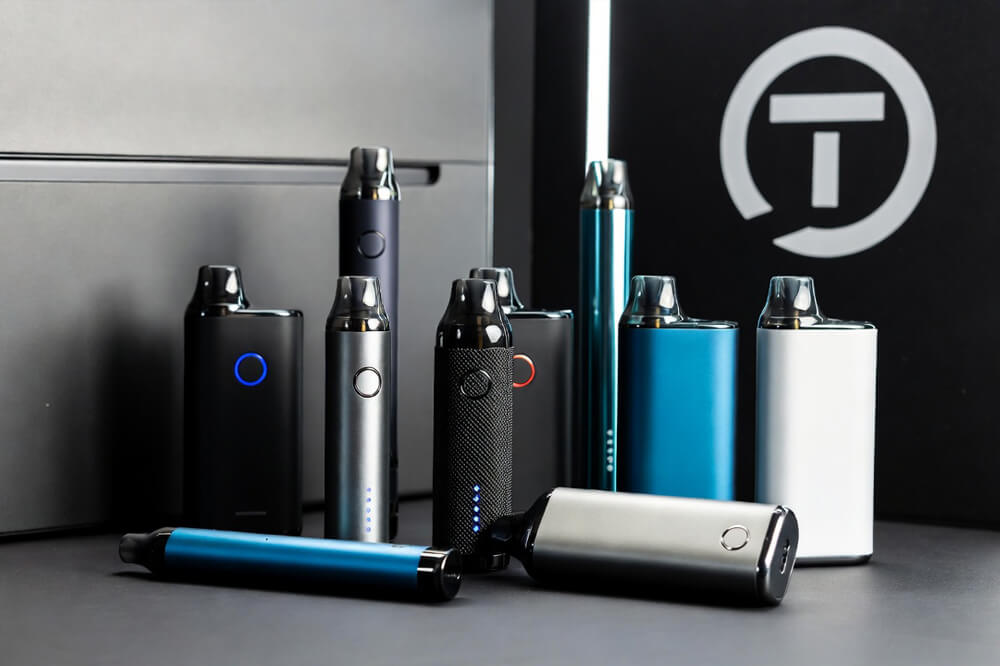
BNN has proposed a complete ban on vapes
BNN recently proposed a complete ban on vapes in Indonesia.
A few days ago, BNN head Suyudi Ario Seto told the media that the “only way” to prevent liquid drugs is to implement a complete ban.
Taruna, however, stated that Indonesia should be cautious before taking such measures.
He said that BPOM will decide which products should be banned based on scientific assessments.
The scope of the ban should be based on scientific assessment
Taruna stated that scientific assessment will help regulators determine which products are truly dangerous and must be banned from Indonesia.
He said that regulators need to decide which types of vapes should be banned and which should not; such restrictions cannot be applied indiscriminately.
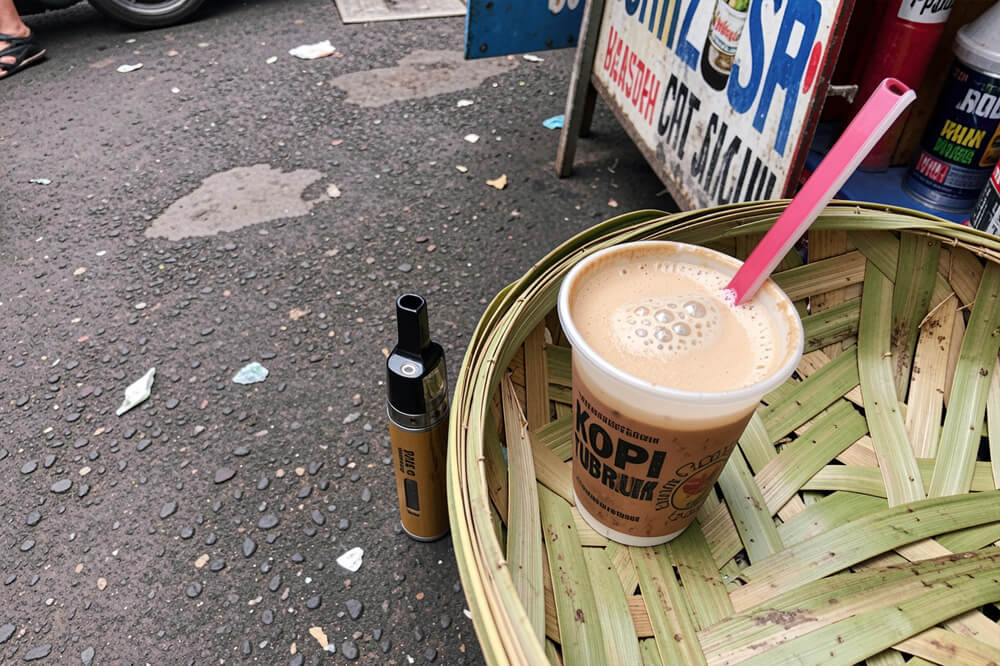
BNN mainly found drug-laced e-liquids in illicit vapes
The report states that BNN mainly found drug-laced e-liquids in illicit vapes, namely those without excise tax stamps.
Regarding these findings, Taruna agreed that illicit vapes must be strictly regulated, but did not advocate for a complete ban on all vapes.
A survey shows that 11.9% of adult respondents have used vapes
A 2021 survey conducted by the Indonesian Ministry of Health and the World Health Organization revealed that 11.9% of Indonesian adult respondents had used vapes.
The survey also showed that among those who used vapes daily for more than two years, adults aged 25 to 44 accounted for the highest proportion, at 8.8%.
Currently, we have no customers in Indonesia. Based on our understanding, the vast majority of vapes in Indonesia are disposable, big puff models, with sales driven by demand. Fruit-flavored nicotine disposable vapes are increasingly favored by consumers.