A Scottish government assessment indicates that the proposed vape display and packaging regulations could impose compliance costs of up to approximately £61 million (around $82 million) on businesses, affecting over 11,000 retail outlets. The costs primarily stem from inventory adjustments for non-compliant products, retail facility modifications, and the resources required for businesses to understand and implement the new rules. This measure is part of the UK’s ongoing efforts to strengthen vape regulation, focusing on display, packaging, and sales management.

New Display And Packaging Regulations For Vapes In Scotland Overview of Key Points
- The Scottish government’s impact assessment predicts that the new regulations on vapes may bring up to £ 61 million (approximately $82 million) in compliance costs for businesses.
- More than 11000 retail outlets may be affected.
- The maximum cost source is inventory adjustment, estimated to be around 48 million pounds.
- The new regulations also involve adjustments to retail storage facilities and training costs for enterprises.
- This measure continues the regulatory direction of the UK in recent years regarding the display, packaging, and protection of minors for vapes.
According to the British media The Scottish Sun, the Scottish government has conducted an impact assessment on the proposed regulatory measures for the display and packaging of vapes. It is expected that after the implementation of the relevant rules, companies may bear compliance costs of up to approximately £ 61 million (approximately $82 million).
The assessment shows that over 11000 retail outlets may be affected, involving convenience stores, supermarkets, and other retail channels that sell vape products.
This cost estimate is based on the impact assessment document released by the Scottish government, rather than industry organizations or companies calculating it themselves.
Scotland plans to tighten regulations on vape displays and packaging
According to reports, the Scottish government is advancing measures to further restrict the display and sale of vapes, aiming to reduce their appeal to minors and strengthen the regulation of nicotine products.
The relevant regulations cover the display methods, packaging requirements, and sales management of vape products in retail environments.
Unlike the ban on disposable vapes, this measure primarily targets the retail display and product management aspects.
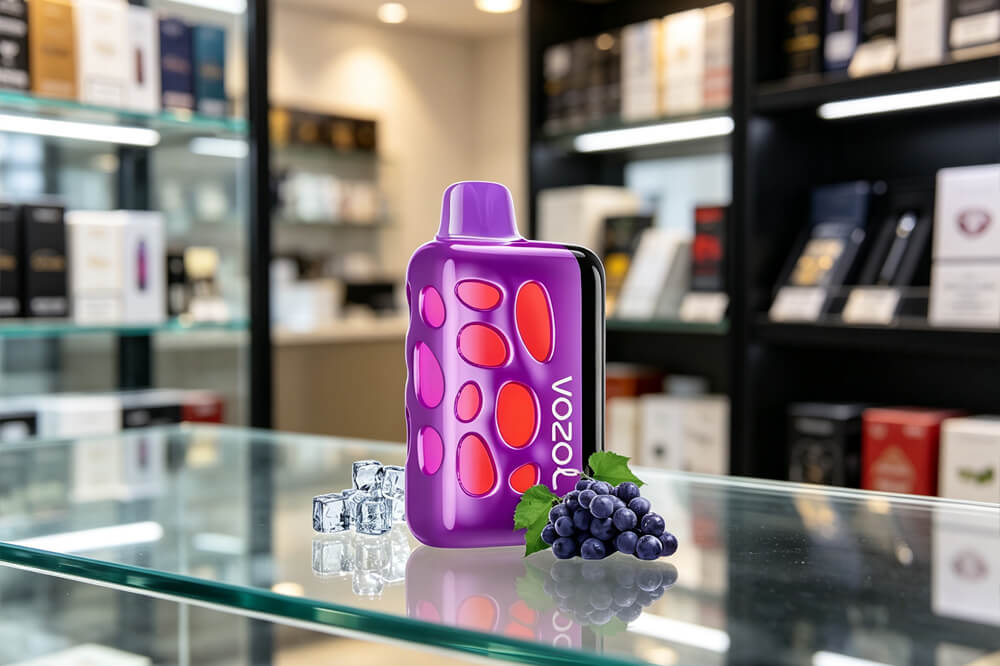
Government assessment shows that enterprise costs mainly come from inventory adjustments
The Scottish government’s impact assessment predicts that the maximum compliance cost for businesses could reach £ 61 million.
The largest portion comes from inventory adjustments.
According to the evaluation:
| Cost items | Estimated Cost |
| Inventory adjustment and handling of non compliant products | Approximately £ 48 million |
| Retail storage facility adjustment | Approximately £ 3 million |
| The cost of understanding and implementing new regulations for enterprises | Approximately £ 313000 |
The government assessment suggests that companies need to adjust their existing product inventory and rearrange their operations based on new display and sales requirements.
These costs are mainly concentrated in the sales channels of electronic cigarettes, rather than in the production process of manufacturing enterprises.
Retail industry pays attention to regulatory enforcement costs
For retailers, regulatory changes in vapes may bring additional operational pressures, including inventory management, store adjustments, and employee training.
Industry organizations have previously stated that regulatory measures need to strike a balance between protecting consumers, especially minors, and ensuring that legitimate businesses can effectively enforce rules.
However, current public information shows that £ 61 million is the highest cost estimate in the government impact assessment and does not represent the final amount actually borne by all companies.
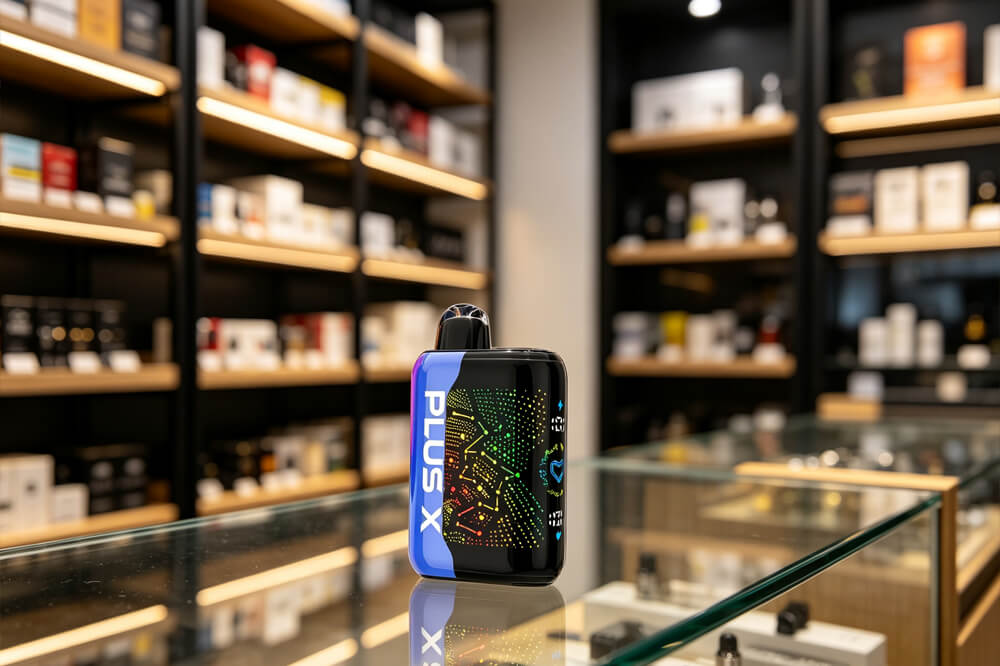
UK continues to strengthen regulatory framework for vapes
In recent years, the UK has been continuously strengthening its regulation of vapes.
The relevant measures include:
Prohibit the sale of disposable vapes;
Strengthen product packaging and display management;
Restrict marketing and sales activities targeting minors.
As the regulation of vapes extends from the product itself to the retail environment, the compliance requirements faced by enterprises are also increasing.
For the vape industry chain, the Scottish case shows that future regulatory changes may not only affect product access, but also impact retail channel operations and cost structures.
Reference: Scots businesses face £61million bill amid huge crackdown on vape advertising